
Stomach (or gastric) cancer is often called a “silent” disease – not because the body doesn’t try to sound the alarm, but because we may not recognise the signs until it’s too late.
Many patients only discover they have stomach cancer in the later stages, when symptoms become more persistent or painful. But in truth, the signs often surface years before, very subtly – be it through a little bloating here and a little discomfort there.
Spotting the signs early can make all the difference. Here’s when to screen and what to look out for.
What are the Early Warning Signs of Stomach Cancer?
In its early stages, stomach cancer may not cause any noticeable symptoms and can mimic common gastrointestinal issues.
Common signs include:
- Persistent bloating or vague discomfort in the upper abdomen after small meals
- Frequent indigestion or heartburn
- Unexplained weight loss
- Loss of appetite
- Mild nausea or stomach discomfort that doesn’t go away
- Fatigue or low energy without a clear cause
If you consistently experience any of these symptoms—even if they seem manageable—it’s important to get them checked out.
How Stomach Cancer Starts: A Closer Look
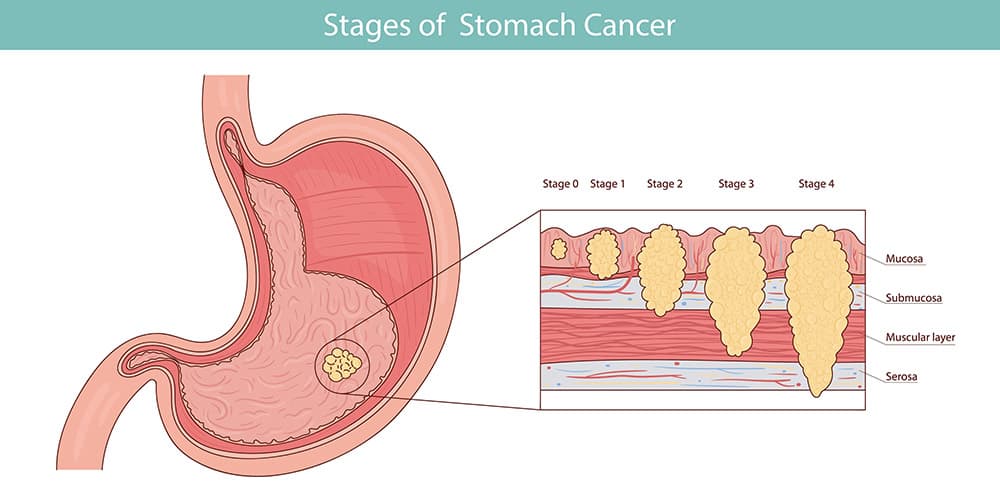
Most cases of stomach cancer begin in the innermost lining of the stomach, known as the mucosa. Over time, abnormal changes in these cells can develop into cancer.
Certain factors increase the risk, such as Helicobacter pylori (H. pylori) infection, chronic gastritis, smoking, a family history of gastric cancer or a diet high in salty and smoked foods.
While stomach cancer screening in Singapore is generally recommended from age 50, those with the above risk factors should consider starting earlier.
Living With Stomach Cancer, Without Knowing It
Stomach cancer can grow slowly and often develops without obvious symptoms in the early stages. Some patients may unknowingly live with early-stage stomach cancer for years before receiving a formal diagnosis.
Unfortunately, by the time more serious signs such as persistent stomach pain, unexplained weight loss or vomiting blood appear, the cancer may have already progressed.
Common Conditions That Resemble Stomach Cancer
Many early symptoms of stomach cancer overlap with those of more common and non-cancerous conditions, such as:
- Acid reflux (GERD)
- Gastritis or gastric ulcers
- Irritable bowel syndrome (IBS)
- Food intolerances
- Functional dyspepsia (non-ulcer stomach pain)
Avoid self-diagnosing. If your symptoms persist or worsen despite treatment, seek a proper medical evaluation.
Can You Treat Stomach Cancer by Changing Your Diet?
Changing your diet on its own cannot cure stomach cancer. However, nutrition still plays an important role in supporting your overall health, especially during treatment.
A balanced diet that includes plenty of fruits, vegetables, and whole grains may help your body cope better with treatment and recovery.
While no specific diet alone can reverse cancer, some studies suggest that a plant-based or plant-forward diet and reducing intake of processed or red meats may help lower the risk of developing certain digestive cancers.
Speak with your doctor or a dietitian for personalised dietary advice as part of your overall care plan.
Detecting Stomach Cancer Early: Steps You Can Take
If you’re experiencing persistent digestive symptoms or have a family history of stomach cancer, it’s important to rule out serious conditions early. Timely evaluation can help detect issues when they’re most treatable.
Here are some of the key ways doctors diagnose stomach cancer:
Upper Endoscopy (Gastroscopy)
A thin, flexible tube with a camera (endoscope) is passed through the mouth and into the stomach to inspect the oesophagus, stomach and upper small intestine for abnormal growths or lesions.
Biopsy
If any suspicious areas are found during the endoscopy, a small tissue sample is taken for laboratory analysis to check for cancer cells.
Barium Meal X-Ray
The patient drinks a liquid containing barium, which coats the lining of the stomach and helps highlight any irregularities or tumours on X-rays.
Faecal Occult Blood Test
This lab test detects hidden blood in the stool, which may be a sign of bleeding in the digestive tract. If stomach cancer is confirmed, additional tests will be needed to assess whether the cancer has spread and to determine its stage.
Concerned About Stomach Cancer? Get Clarity with a Simple Endoscopy
The most reliable way to screen for stomach cancer is through an endoscopy (also known as a gastroscopy). While some patients hesitate due to fear or discomfort, modern endoscopy is a safe, quick and well-tolerated procedure.
At Surgicare, we offer sedation options so you’ll be asleep or deeply relaxed throughout. Most patients feel nothing during the procedure and often don’t even recall it afterwards.
By paying attention to persistent symptoms and seeking timely evaluation, you’re already taking an important step towards early detection.

In Singapore, endoscopy is covered by many insurance plans with subsidised options available for eligible Singaporeans.
If you’re experiencing ongoing stomach discomfort, unexplained weight loss or other concerning symptoms, help is just a call away.
Call our clinic at +65 6250 5610 or WhatsApp us for an appointment with our stomach cancer specialist.
References:
- https://www.singhealth.com.sg/symptoms-treatments/stomach-cancer
- Zhao, Y., Zhan, J., Wang, Y., & Wang, D. (2022). The Relationship Between Plant-Based Diet and Risk of Digestive System Cancers: A Meta-Analysis Based on 3,059,009 Subjects. Frontiers in public health, 10, 892153. https://doi.org/10.3389/fpubh.2022.892153