
Gallbladder Polyps: Symptoms, Treatment, and Recovery
Gallbladder polyps are small growths on the gallbladder wall, usually found by chance on an ultrasound scan. Most are harmless and only need monitoring. However, polyps 10mm or larger, or ones that grow or look unusual on imaging, are generally recommended for surgical removal due to a higher cancer risk.

Dr. Tan Chun Hai
Upper Gastrointestinal Specialist, Dual Fellowship Trained Surgeon
MBBS (Melbourne), Masters of Medicine (Surgery), FRCS (Edinburgh), FAMS (General Surgery)
Table of Content
Introduction
What are gallbladder polyps
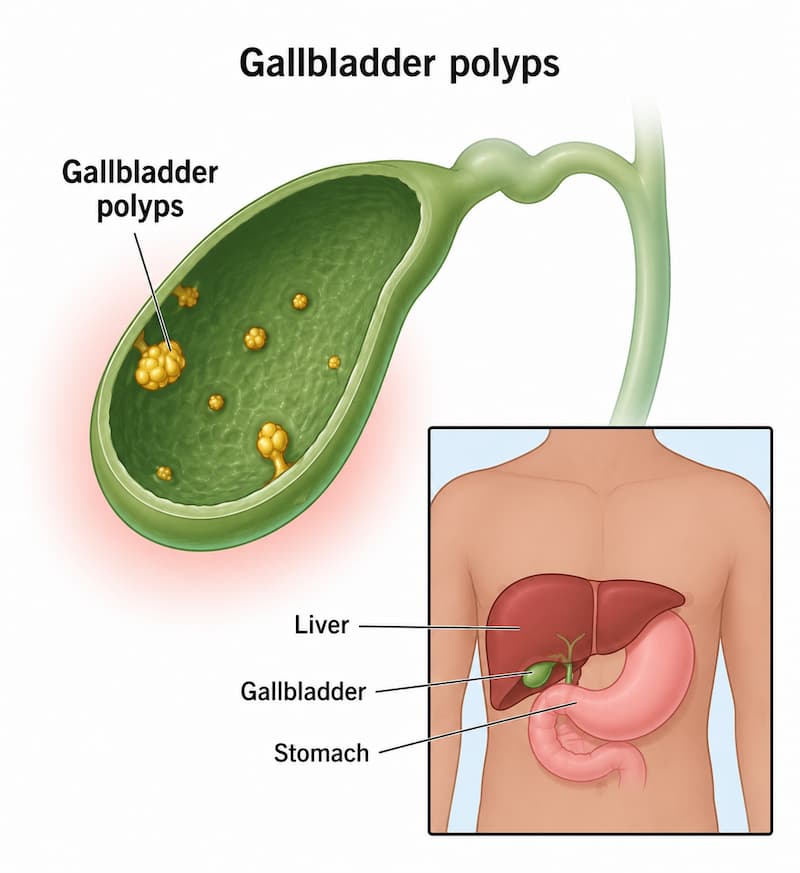
A gallbladder polyp is an abnormal tissue growth that sticks out from the inner lining of the gallbladder wall and can vary in size. Their significance will depend largely on their size, whether they are causing symptoms, and whether they show any suspicious features on ultrasound imaging.
Most gallbladder polyps are non-cancerous and may never cause problems. However, larger polyps, rapidly growing ones, or polyps seen in people with certain risk factors may need closer follow-up or surgery.
Many people only find out they have one when an ultrasound is done for a different reason, like investigating abdominal pain or during a routine health screening.
If you’ve recently received this kind of finding, the next step is understanding whether it needs monitoring or treatment, which starts with a proper assessment by a gallbladder surgeon.
Symptoms of Gallbladder Polyps
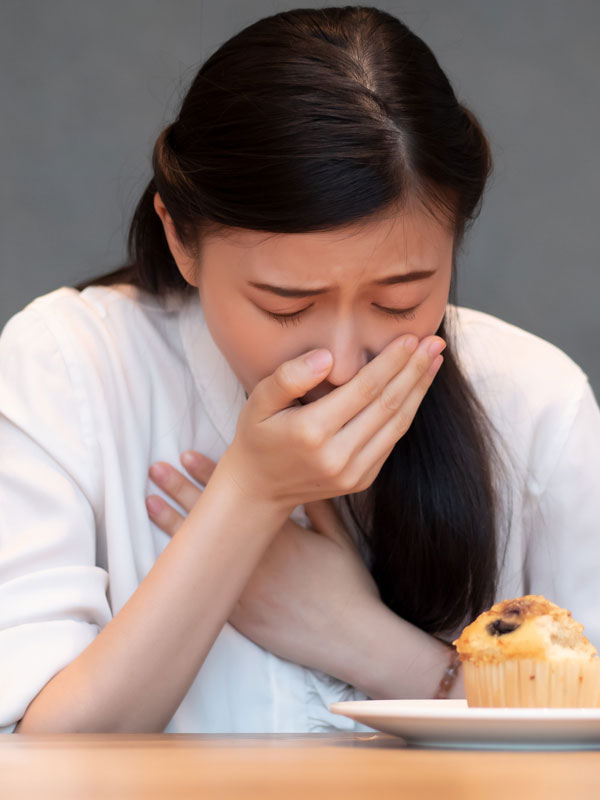
Most gallbladder polyps produce no symptoms at all. When symptoms do appear, they tend to be non-specific and can include:
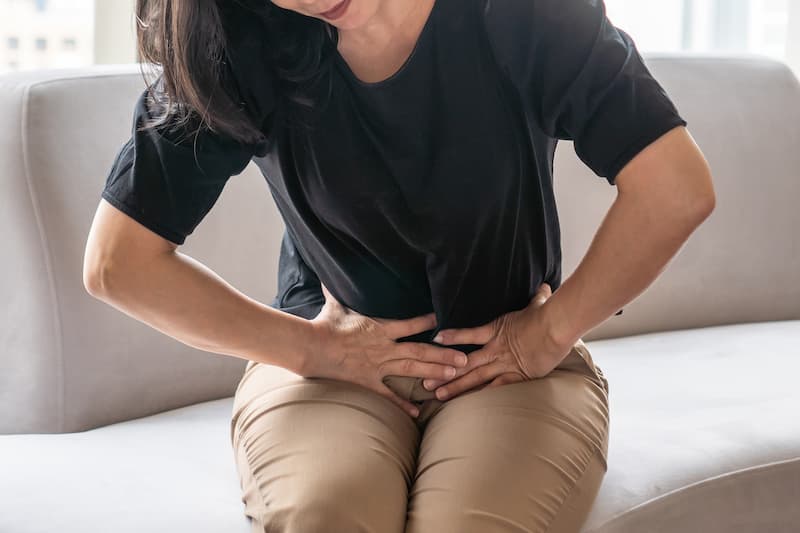
- Pain or discomfort in the upper right abdomen
- Discomfort after eating, especially fatty or rich meals
- Nausea or indigestion
- Bloating or a feeling of fullness
In rarer cases, a polyp linked to a blockage or an underlying gallbladder problem can cause more serious symptoms, such as:
- Jaundice, a yellowing of the skin and eyes that may come with dark urine, pale stools, or itchy skin
- Unexplained weight loss
- Fever and chills
- Persistent nausea, vomiting, or other ongoing digestive complaints
Note: Because symptoms are often absent or vague, gallbladder polyps are usually a scan finding rather than something you would notice on your own. If you’ve been told you have one, that alone doesn’t mean urgent action is needed, but it’s worth having it properly assessed.
Who Is at Risk?
- Age, particularly for those over 50
- The presence of gallstones
- Chronic inflammation of the gallbladder
- Certain liver or biliary tract conditions
- A personal or family history of polyps or gallbladder disease
- A polyp that is already large or has changed on a previous scan
Not every polyp is treated the same way. Small, stable ones are typically watched over time, while larger or more concerning ones may call for earlier treatment.
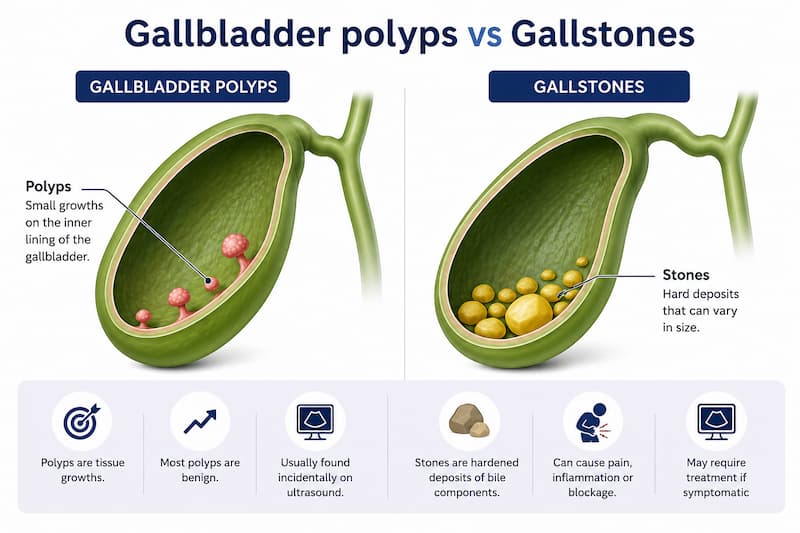
Gallbladder Polyps vs Gallstones
Polyps and gallstones are often mentioned together because they’re both found inside the gallbladder, but they are different conditions:
Gallstones are hardened deposits of bile that form inside the gallbladder and can cause blockages or attacks of pain. Gallbladder polyps are growths on the gallbladder wall itself, and many cause no blockage or pain at all.
It’s also possible to have both at the same time, and their presence together can change how a specialist approaches treatment.
Because symptoms are often absent or vague, gallbladder polyps are usually a scan finding rather than something you would notice on your own.
For emergencies after clinic hours, WhatsApp us > head to Gleneagles Urgent Care centre (UCC) and request for Dr. Tan Chun Hai.
Overview
When Should I See a Specialist?
You should arrange a review with a specialist if you’ve been diagnosed with a gallbladder polyp and any of the following apply:
- The polyp is 10mm or larger
- It has grown on a repeat scan
- You’re experiencing pain, nausea, or other ongoing symptoms
- You also have gallstones
- Your report describes the imaging features as uncertain or suspicious

Diagnosis
Gallbladder polyps are usually first identified through an abdominal ultrasound. Depending on what’s seen, your doctor may recommend further tests, such as:
- Repeat ultrasound scans to track changes over time
- A CT or MRI scan for more detailed imaging
- Endoscopic ultrasound for closer evaluation

Gallbladder Polyps Treatment Options
Treatment depends on the polyp’s size, appearance, symptoms, and overall risk profile.
For small, low-risk polyps, the usual approach is surveillance, meaning regular ultrasound scans to monitor for growth or new features rather than immediate surgery. For larger polyps, or those with concerning features, surgery is generally recommended.
The goal of treatment is to address the polyp before complications develop, particularly where there’s any concern about cancer risk. In many cases, no immediate treatment is needed beyond periodic observation. In others, timely surgery is the safer path forward.

Surgery for Gallbladder Polyps
The standard surgical treatment is a laparoscopic cholecystectomy, or keyhole removal of the gallbladder, performed through several small incisions in the abdomen.
Surgery is typically recommended when:
- The polyp is 10mm or larger
- It is increasing in size on follow-up scans
- Imaging shows suspicious features
- You have symptoms or related gallbladder disease
- Your specialist has concerns about malignancy risk
Laparoscopic surgery is generally preferred over open surgery because it’s less invasive, involves a shorter hospital stay, and supports a quicker return to daily activities. Your surgeon will walk you through the procedure itself, along with its benefits and risks, before any treatment decision is made.

Recovery
Recovery from laparoscopic gallbladder removal is generally straightforward. Many patients go home the same day or after a short hospital stay, return to light activities within a few days, and resume their normal routine over one to two weeks, depending on the nature of their job and how they feel.
During recovery, you’ll usually be advised to:
- Rest and avoid heavy lifting for a short period
- Eat lighter meals if your digestion feels sensitive
- Follow your wound care instructions carefully
- Attend your scheduled follow-up appointments
Some people notice minor digestive changes after gallbladder removal, but most adjust well over time. Your specialist will let you know what to expect based on your own procedure and recovery plan.

Book a Consultation
If you’ve been told you have a gallbladder polyp, or you’re experiencing symptoms that could be related to gallbladder disease, a specialist review can clarify whether monitoring is enough or whether treatment is the safer path.
Book a consultation with our gastrointestinal surgeon to discuss your symptoms, scan results and next steps.
20+ Years of Clinical Experience
Dr. Tan Chun Hai
Medical Director, Upper Gastrointestinal, Stomach Cancer, Bariatric & General Surgeon
Endoscopy & Minimally-Invasive Surgery Specialist
Dr. Tan Chun Hai is an upper gastrointestinal specialist with dual fellowship training in laparoscopic (keyhole) stomach cancer surgery and bariatric surgery.
He received dual fellowship training in minimally invasive surgery at internationally renowned gastrointestinal divisions, including Seoul National University Bundang Hospital in South Korea and Min Sheng Hospital in Taiwan.
Dr. Tan manages a wide range of digestive conditions including gallstones, gastric cancer, appendicitis and chronic GERD.
He performs endoscopies and minimally invasive surgery where appropriate, tailoring treatment to each patient’s condition and needs.
Dr. Tan is known for his calm and reassuring approach, ensuring every patient feels informed and supported throughout their treatment journey.
For suitable cases, treatment may be arranged on the same day, often within a few hours of diagnosis.
Have a digestive health concern?
Send us your enquiry or give us a call at 6250 5610
For emergencies after hours, send us a text via WhatsApp > head to Gleneagles Urgent Care Centre and request for Dr. Tan Chun Hai
Our Clinic: 6A Napier Road, Gleneagles Hospital Annexe Block, #05-36A, Singapore 258500

FAQs - Patient Information
Most gallbladder polyps are not cancerous. The risk depends mainly on the size of the polyp and whether it shows any suspicious features on imaging
Only a small proportion of gallbladder polyps turn out to be cancerous. The likelihood rises with polyp size, particularly for polyps 10mm or larger, and tends to be higher in older patients or those with other risk factors such as gallstones. This is why size and appearance on imaging are closely monitored, and why larger or fast-growing polyps are usually recommended for surgical removal as a precaution rather than left to be observed indefinitely.
The surgical procedure, laparoscopic cholecystectomy, is the same one used for gallstones and other gallbladder conditions. What differs is the reason for recommending it.