
Jaundice in Adults: Understand the Underlying Causes and How It Is Treated

Dr. Tan Chun Hai
Upper Gastrointestinal Specialist, Dual Fellowship Trained Surgeon
MBBS (Melbourne), Masters of Medicine (Surgery), FRCS (Edinburgh), FAMS (General Surgery)
Table of Content
Introduction
What Is Jaundice?
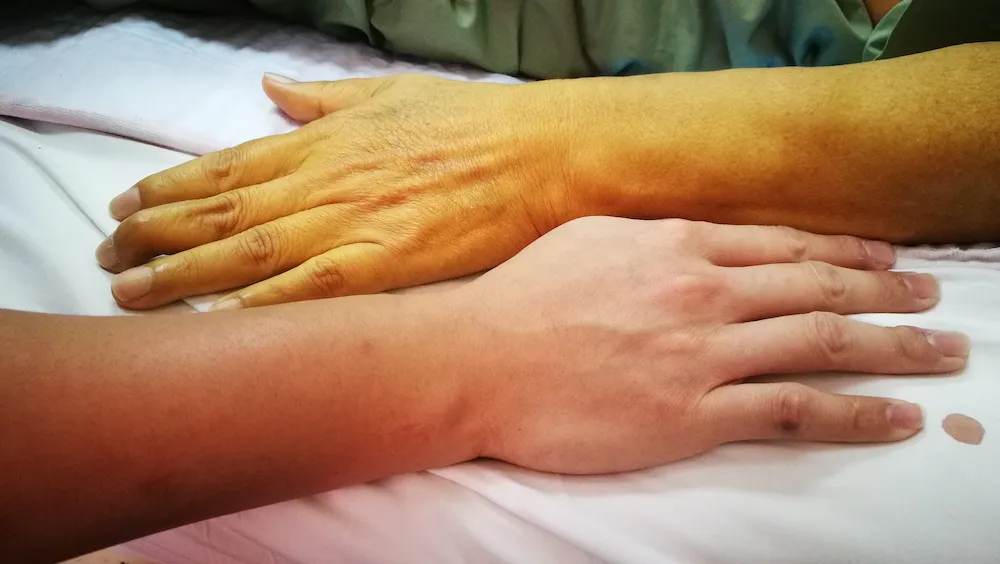
Jaundice happens when there is too much bilirubin in the bloodstream. Bilirubin is a yellow-brown pigment produced when the body breaks down old red blood cells. Normally, the liver processes bilirubin and passes it out of the body through bile and stool.
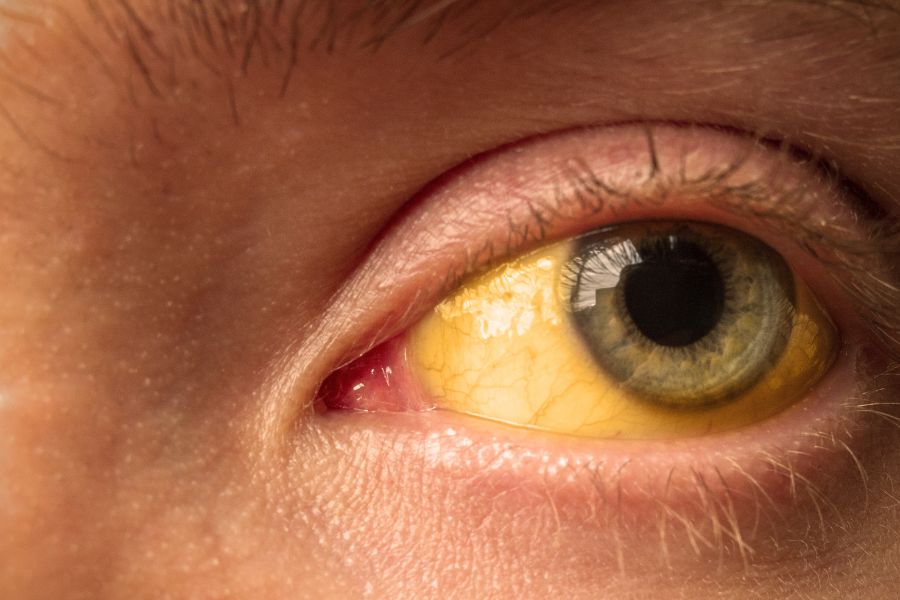
When this process is disrupted, whether by too much bilirubin being produced, the liver being unable to process it or bile being unable to drain properly, bilirubin builds up and settles in the skin and the whites of the eyes, giving them a yellow tinge.
According to the NHS, jaundice can look different depending on skin tone. It is usually most visible in the eyes even when it is harder to notice on the skin. It is worth remembering that jaundice is a sign, not a diagnosis on its own. The real question is always what is causing it.
What Causes Jaundice?
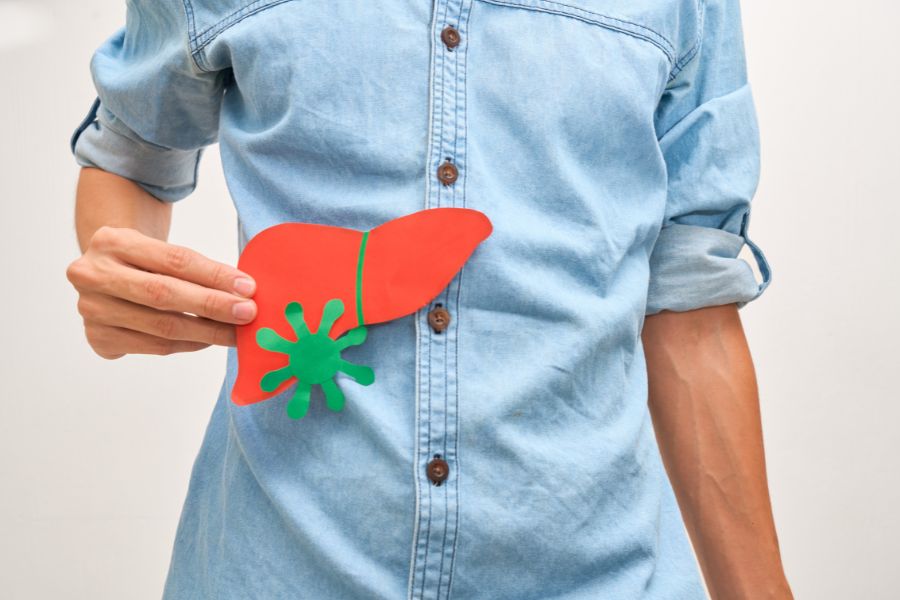
Doctors generally group the causes of jaundice into three categories, based on where the problem occurs in the bilirubin pathway.
| Category | What happens | Common causes |
|---|---|---|
| Pre-hepatic (before the liver) | Red blood cells break down faster than the liver can keep up with | Haemolytic anaemia, certain inherited blood disorders |
| Hepatic (within the liver) | The liver itself is inflamed or damaged and cannot process bilirubin properly | Viral hepatitis, alcohol-related liver disease, cirrhosis, some medications, Gilbert’s syndrome |
| Post-hepatic (after the liver, also called obstructive) | Bile carrying bilirubin cannot drain into the intestine because the bile duct is blocked | Gallstones, bile duct strictures, tumours of the pancreas or bile duct |

A Note on Obstructive Jaundice: Why the Cause Matters More Than the Jaundice Itself
Jaundice itself is not usually treated directly. Treatment is directed at the underlying cause of the bilirubin build-up.
One important cause is obstructive jaundice, which occurs when bile cannot drain normally from the liver into the intestine because of a blockage in the bile ducts. This may be caused by gallstones, bile duct strictures or tumours affecting the pancreas or bile ducts.
Identifying the location and cause of the obstruction is important as treatment is directed at relieving the blockage and addressing the underlying condition. Depending on the cause, this may involve an endoscopic procedure such as ERCP or surgery.
Symptoms That May Accompany Jaundice
Jaundice rarely appears alone. Depending on the underlying cause, it may be accompanied by:
- Yellowing of the skin and the whites of the eyes
- Dark or tea-coloured urine
- Pale or clay-coloured stools
- Itchy skin (pruritus)
- Fatigue or low energy
- Abdominal pain or discomfort, particularly on the upper right side
- Fever or chills
- Nausea or loss of appetite
- Unintended weight loss
These accompanying symptoms can provide important clues about what is causing the jaundice.
If you notice jaundice, particularly together with abdominal pain, fever, dark urine or pale stools, visit a gastrointestinal clinic for an assessment.
CONSULTATION
Speak to a Specialist About Your Symptoms

How Is Jaundice Diagnosed?
Diagnosis usually starts with a physical examination and a conversation about your symptoms, medical history, alcohol use and any medications or supplements you are taking. From there, a doctor typically arranges:
- Blood tests, including liver function tests and a bilirubin level, to see how high it is and which type of bilirubin is elevated
- Ultrasound imaging, usually the first-line scan, to check the liver, gallbladder and bile ducts for gallstones or blockages
- CT or MRCP scans, if more detail is needed on the bile duct or pancreas
- Endoscopic evaluation (ERCP), which can be both diagnostic and used to treat a blockage in the same procedure
Sharing detailed, honest information with your doctor, including how long the yellowing has been present and any accompanying pain, fever or weight change, helps narrow down the cause faster.

Is Jaundice Serious?
This is understandably one of the first questions people ask. The honest answer is that it depends entirely on the cause.
Some causes, like Gilbert’s syndrome, are harmless and require no treatment beyond monitoring. Others, like a blocked bile duct or advanced liver disease, need prompt medical care but are very treatable when caught early.
A smaller number of cases, particularly painless jaundice with weight loss, can point to something more serious such as a tumour affecting the bile duct or pancreas, which is exactly why early evaluation matters.
Rather than guessing based on symptoms, the safest and most reassuring path is a proper diagnosis, so you know precisely what you are dealing with and what the next step should be.
Diagnosis
When Should You See a Doctor?
Seek prompt medical attention if jaundice appears together with:
- Fever or chills
- Severe abdominal pain
- Confusion or unusual drowsiness
- Vomiting blood or passing black, tarry stools
- Jaundice alongside unexplained weight loss
These combinations can point to conditions that need urgent evaluation, such as a blocked bile duct or a serious liver problem. Even without these warning signs, any new yellowing of the skin or eyes in an adult is worth having checked, since the cause is not something you can determine by symptoms alone.
Treatment Options for Jaundice

Treating the Underlying Cause
Because jaundice reflects an underlying issue, treatment is tailored to what is actually causing it.
Viral hepatitis may be managed with antiviral medication or supportive care. Alcohol- related liver disease is managed through abstinence and liver-focused care. Haemolytic causes are addressed by treating the blood disorder responsible.

Procedures for a Blocked Bile Duct
When jaundice is caused by a blockage, such as a gallstone lodged in the bile duct, an ERCP (endoscopic retrograde cholangiopancreatography) is often used. This procedure allows a doctor to locate and remove the obstruction or place a stent to keep the duct open, often relieving jaundice within days.

Surgical Treatment
If gallstones are the underlying cause, gallbladder removal surgery (cholecystectomy) may be recommended to prevent further problems.
This can help prevent gallstones from causing another blockage of the bile ducts and a recurrence of jaundice.

Recovering After Treatment
Recovery time depends on what caused the jaundice and how it was treated. Once a bile duct blockage is cleared, whether by ERCP or surgery, bilirubin levels usually start falling within days and the yellowing fades gradually as the body clears the excess from the skin and eyes.
For causes such as hepatitis, recovery follows the course of the underlying infection or condition, which may take longer and is guided by your doctor’s treatment plan rather than the jaundice itself.
Your doctor will likely order a follow-up blood test to confirm bilirubin has returned to a normal range and that liver function has stabilised. Mild fatigue or itching can linger for a short while even after treatment, but this generally settles as recovery progresses. Contact your doctor if the yellowing does not start improving within the expected timeframe or if new symptoms appear.
20+ Years of Clinical Experience
Dr. Tan Chun Hai
Medical Director, Upper Gastrointestinal, Stomach Cancer, Bariatric & General Surgeon
Endoscopy & Minimally-Invasive Surgery Specialist
Dr. Tan Chun Hai is an upper gastrointestinal specialist with dual fellowship training in laparoscopic (keyhole) stomach cancer surgery and bariatric surgery.
He received dual fellowship training in minimally invasive surgery at internationally renowned gastrointestinal divisions, including Seoul National University Bundang Hospital in South Korea and Min Sheng Hospital in Taiwan.
Dr. Tan manages a wide range of digestive conditions including gallstones, gastric cancer, appendicitis and chronic GERD.
He performs endoscopies and minimally invasive surgery where appropriate, tailoring treatment to each patient’s condition and needs.
Dr. Tan is known for his calm and reassuring approach, ensuring every patient feels informed and supported throughout their treatment journey.
For suitable cases, treatment may be arranged on the same day, often within a few hours of diagnosis.
Have a digestive health concern?
Send us your enquiry or give us a call at 6250 5610
For emergencies after hours, send us a text via WhatsApp > head to Gleneagles Urgent Care Centre and request for Dr. Tan Chun Hai
Our Clinic: 6A Napier Road, Gleneagles Hospital Annexe Block, #05-36A, Singapore 258500

FAQs - Patient Information
Jaundice itself is not contagious. However, if it is caused by viral hepatitis, the underlying infection can potentially be passed on, so your doctor
Mild cases, such as those caused by Gilbert’s syndrome, may not need active treatment. Most adult jaundice, however, needs the underlying cause addressed before the yellowing resolves.
Not necessarily. Jaundice can result from a wide range of causes, only some of which involve the liver directly and even liver-related causes exist on a wide spectrum of severity. A doctor’s assessment is needed to know where you stand.
No. Most adult jaundice is caused by more common conditions such as gallstones or hepatitis. Cancer is one possible cause among several, which is precisely why a proper diagnosis, rather than assumption, is the right next step.
Newborn jaundice is common and often resolves on its own or with phototherapy, since a baby’s liver is still maturing. Adult jaundice always reflects an underlying medical issue that needs to be identified and treated and should not be assumed to resolve by itself.
Yes. Jaundice can occur without abdominal pain. Painless jaundice may be associated with several conditions, including obstruction of the bile ducts. In older adults, particularly when accompanied by unexplained weight loss, it can sometimes indicate a more serious underlying cause and should be investigated. Merck Manuals
There is no fixed recovery time. How quickly jaundice improves depends on its underlying cause and how effectively it can be treated. The yellowing typically fades as bilirubin levels fall, but some conditions may take longer to resolve than others. Cleveland Clinic
References
1. Fargo, M. V., Grogan, S. P., & Saguil, A. (2017). Evaluation of jaundice in adults.
American Family Physician, 95(3), 164–168.
https://www.aafp.org/pubs/afp/issues/2017/0201/p164.html
2. Pavlovic Markovic, A., Stojkovic Lalosevic, M., Mijac, D. D., Milovanovic, T., Dragasevic, S., Sokic Milutinovic, A., & Krstic, M. N. (2021). Jaundice as a diagnostic and therapeutic problem: A general practitioner’s approach. Digestive Diseases, 40(3), 362–369. https://doi.org/10.1159/000517301
3. National Health Service. (n.d.). Jaundice. NHS.
https://www.nhs.uk/conditions/jaundice/
4. Cleveland Clinic. (n.d.). Adult jaundice. Cleveland Clinic.
https://my.clevelandclinic.org/health/symptoms/15367-adult-jaundice
5. MedlinePlus. (n.d.). Jaundice. National Library of Medicine.
https://medlineplus.gov/ency/article/007491.htm